


Key points
- High-temperature superconductors (HTS) allow power transmission with zero resistance, enabling more efficient energy delivery and reduced transmission losses in datacenters.
- HTS cables are smaller and lighter than copper, allowing higher electrical density without increasing physical footprint, critical for AI workloads and compact datacenter designs.
- The technology reduces community impact by minimizing land use, avoiding intrusive power lines, and limiting construction disruption near residential and commercial areas.
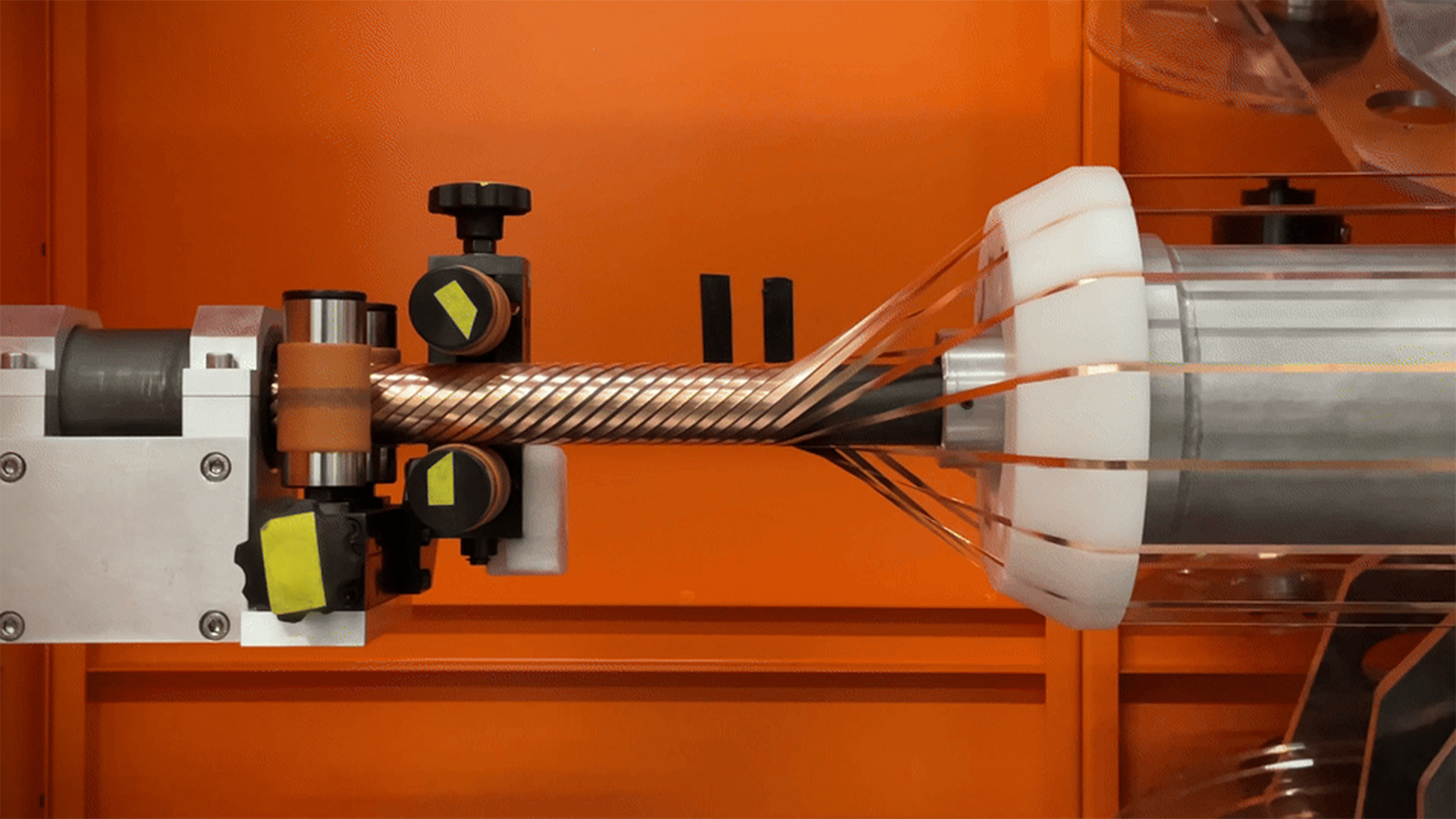
Microsoft is investigating high-temperature superconductors to meet growing datacenter power demands more efficiently. Traditional copper wiring loses energy to resistance, generating heat and limiting capacity. HTS cables carry electricity with no loss, allowing more power in smaller, lighter systems. This breakthrough supports higher-density AI computing without expanding physical infrastructure.
In datacenters, HTS enables direct power delivery to server racks at higher efficiency and over longer distances. Microsoft shared visions for such architectures at industry summits, where HTS prototypes have already reduced power cable size by up to tenfold. Partners like VEIR are helping translate this science into scalable solutions, while the Microsoft Climate Innovation Fund backs innovators driving the field forward.
HTS also offers grid-wide benefits. Because they transmit power at lower voltages over shorter corridors, HTS lines reduce the need for large towers and substations, easing pressure on communities near datacenter sites. By enabling fault-current limiting and better grid stability, these systems safeguard power for hospitals, schools, and businesses.
Alongside cloud networking and cooling innovations, HTS completes a strategic triad in Microsoft’s push for sustainable, high-performance infrastructure. Future datacenter designs could shrink in size yet expand capacity, advancing both AI capabilities and environmental goals.