


Key Points:
- Microsoft has made significant progress in improving accessibility features on Windows, driven by feedback from the disability community.
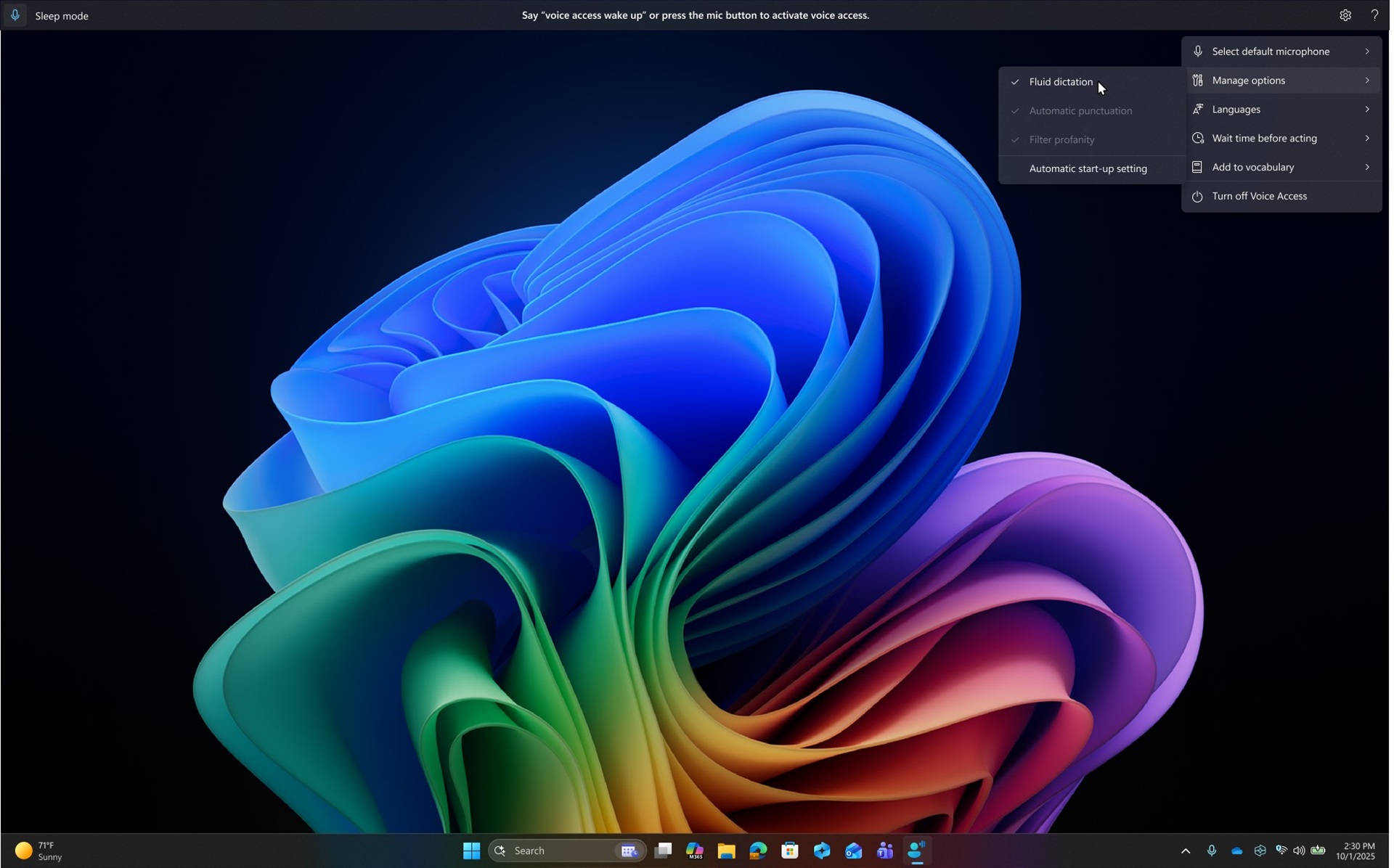
- The company has introduced new features such as Fluid Dictation, which enables seamless voice-based text authoring, and improved Voice Access, which understands and executes voice commands more accurately.
- Microsoft has also enhanced Narrator and Magnifier with more natural and expressive voices, making it easier for users to interact with Windows.
Microsoft has been working to improve the accessibility of its products, particularly Windows, by incorporating feedback from the disability community. The company adheres to the principle of "nothing about us without us," which emphasizes the importance of involving people with disabilities in the design process. Microsoft‘s Inclusive Design approach has led to the development of several new features and improvements to existing ones.
One of the notable features introduced by Microsoft is Fluid Dictation, which allows users to dictate text with ease. This feature uses on-device AI to correct grammar, punctuation, and spelling in real-time, making it easier for users to create polished text without manual corrections. Fluid Dictation can also leverage custom vocabulary defined within Voice Access, ensuring that specialized terms and names are recognized correctly.
Voice Access has also been improved to understand and execute voice commands more accurately. The feature now supports Chinese and Japanese, expanding accessibility for more users. Additionally, Voice Access allows users to configure a delay before a command is executed, providing greater flexibility for individuals with varying speech patterns.
Microsoft has also made significant improvements to Narrator and Magnifier. Narrator now provides more natural and expressive voices, making it easier for users to interact with Windows. The feature also offers richer image descriptions, smoother Word reading, and privacy tools like Screen Curtain. Magnifier has been improved with faster and clearer navigation, one-click zoom controls, and HD voices for a more natural and engaging read-aloud experience.
These improvements demonstrate Microsoft‘s commitment to creating a more accessible and inclusive Windows experience. The company’s focus on addressing critical and functional issues shared through user feedback and engagements with advisory boards has led to a more reliable and consistent experience for users with disabilities.
As Microsoft continues to work on improving accessibility, users can expect more features and improvements in the future. The company encourages users to try out Windows 11 and provide feedback, which will help shape the development of future features. Users with disabilities can also reach out to the Disability Answer Desk for technical assistance with Windows or any other Microsoft product.
Read the rest: Source Link
You might also like: Try AutoCAD 2026 for Windows, best free FTP Clients on Windows & browse the best Surface Laptops to buy.
Remember to like our facebook and our twitter @WindowsMode for a chance to win a free Surface every month.