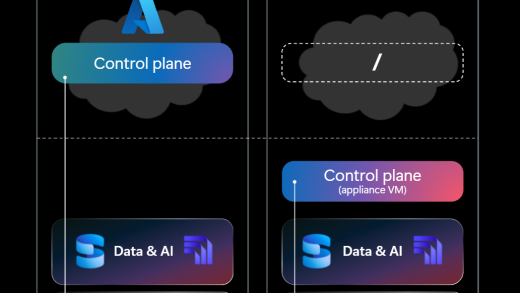
SQL Server on Azure Local reaches general availability
strong>Key Points SQL Server on Azure Local is now generally available for both connected and disconnected operations Organizations can run SQL Server in their own datacenters...
strong>Key Points SQL Server on Azure Local is now generally available for both connected and disconnected operations Organizations can run SQL Server in their own datacenters...
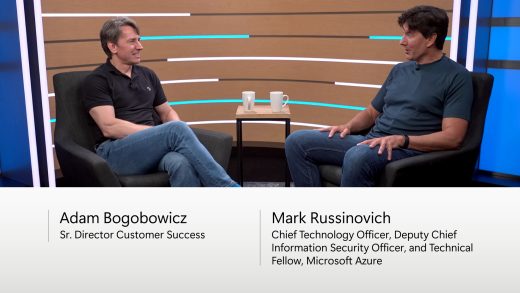
Key Points Azure Infrastructure Resiliency Manager is in public preview to help teams catch resilience drift. Availability zones protect against datacenter failures, but only if compute,...
Key Points Microsoft was recognized as a Leader in the 2026 Gartner Magic Quadrant for Distributed Hybrid Infrastructure for the fourth consecutive year, positioned highest for...

Key Points Availability zones are independent datacenter groups in an Azure region. Zone-redundant resources are managed by Azure; zonal resources need customer-managed replication across zones. Decide...

Key Points AI agent governance ties spending to business outcomes. Token limits in Foundry stop runaway usage. ROI for agents is in private preview. What is...
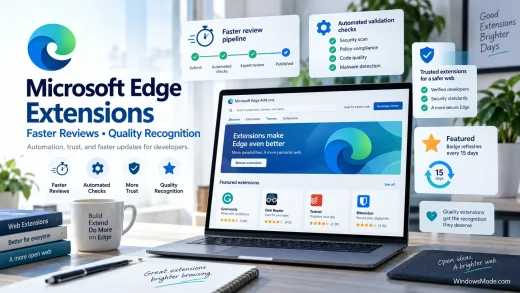
Microsoft is cutting turnaround times on the Edge Add-ons marketplace by automating standard validation checks and updating Featured badges every 15 days.
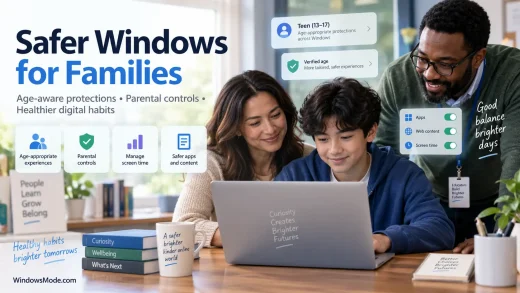
Microsoft is rolling out the Windows Age API alongside new adult verification checks. Learn how these updates provide third-party apps with age guidelines to protect kids while keeping personal birthdays and sensitive data completely private.

Microsoft and AWS have partnered to launch Azure Multicloud Interconnect, enabling direct, private networking up to 100 Gbps without third-party telco lines. Here is a breakdown of the new architecture, key features, and performance impact.

Key Points Operational trade-offs: self-managed PostgreSQL gives full control over the OS and stack, while a managed service reduces the undifferentiated work of patching, backups, and...
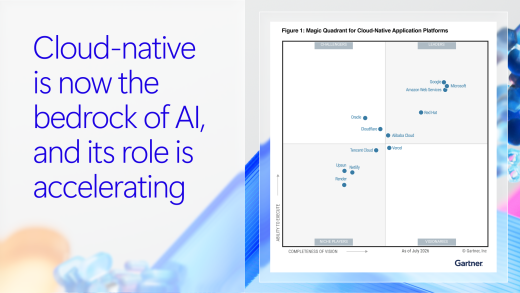
Microsoft has earned Leader positioning in the 2026 Gartner Magic Quadrant for Cloud-Native Application Platforms for the third consecutive year, driven by deep integration across Azure Container Apps, App Service, and Microsoft Foundry.