![]()
Windows Tutorial
The fastest way to hide desktop icons on Windows 11 is to right-click an empty part of the desktop, hover View, and untick Show desktop icons.
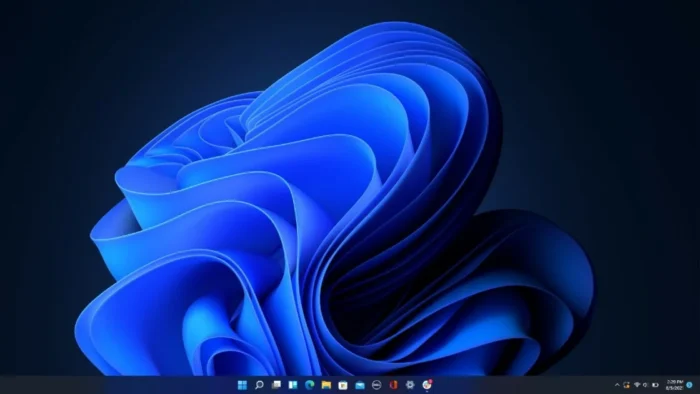
Your icons vanish, your wallpaper comes back, and nothing gets deleted. That two-click toggle covers most people. The rest of this guide covers the other five methods, when each one is worth using, and how to bring everything back.
What You Need to Know
- Hiding is not deleting. Your files stay in the desktop folder. You reach them any time through File Explorer, under Desktop in the left panel.
- Windows key + D is not the same thing. It minimizes your open windows so you can see the desktop. Your icons are still there.
- The Registry and Group Policy methods also switch off the desktop right-click menu. That means you cannot undo them from the desktop, so only use those if you actually need a locked-down PC.
Pick the Right Method in 10 Seconds
Six methods sounds like a lot. In practice, one of these three sentences is you.
Start here
“I just want a clean desktop”
Use the right-click toggle. Two clicks, it sticks through restarts, and it is undone exactly the same way.
In a hurry
“I am about to share my screen”
Press Windows key + D. Instant, no settings touched, and one press puts everything back.
Locked down
“Nobody else should turn them back on”
Use Group Policy on Pro, or the Registry on Home. Heavier, and it locks the right-click menu too.
All Six Methods Compared
What each method actually does, and how hard it is to reverse.
1
Method 1: The Right-Click Toggle
This is the one to use unless you have a specific reason not to. It hides every icon on the desktop, survives a restart, and reverses in the same two clicks. Nothing is moved, renamed, or deleted.
1
Right-click any empty spot on your desktop. Not on an icon, on the wallpaper itself.
2
Hover over View at the top of the menu.
3
Click Show desktop icons to remove the tick next to it.
4
Your icons disappear straight away. Repeat the same three steps to bring them back.

Where did my files go?
Nowhere. Open File Explorer and click Desktop in the left panel. Everything that was on your desktop is sitting right there, and you can open it normally. Microsoft points people to the same trick in its own desktop icon documentation.
2
Method 2: Show Desktop and Windows Key + D
This one gets confused with hiding icons all the time, so it is worth being clear. Windows key + D does not hide your icons. It minimizes every open window so you can see the desktop, icons and all. Press it again and your windows come back exactly as they were.
It is still the right tool in one situation. You are about to share your screen, and you want your browser tabs and chat windows gone in one keystroke. Pair it with Method 1 if you want a truly empty screen. The steps below switch on the old corner button if you would rather click than use a shortcut.
1
Press Windows key + I to open Settings.
2
Go to Personalization, then Taskbar.
3
Expand Taskbar behaviors at the bottom of the page.
4
Tick Select the far corner of the taskbar to show the desktop.

3
Method 3: Hide Only the System Icons
Sometimes it is not your files that bother you. It is Recycle Bin sitting in the corner of an otherwise nice wallpaper. Windows keeps those system icons in a separate place from your shortcuts, so you can remove them one at a time and leave everything else alone.
1
Right-click the desktop and choose Personalize. You can also press Windows key + I and go to Personalization.
2
Click Themes.
3
Scroll down and click Desktop icon settings.
4
Untick any of Computer, User’s Files, Network, Recycle Bin, or Control Panel.
5
Click OK. The icons you unticked disappear immediately.

One extra box in that window is worth knowing about. Allow themes to change desktop icons lets a theme swap your icon artwork when you apply it. If you have set custom icons you like, untick it so a new theme leaves them alone. If you enjoy the full makeover, leave it on and browse our best free Windows themes.
4
Method 4: Hide One File and Leave the Rest
If only one folder is the problem, you do not need to clear the whole desktop. Every file in Windows carries a Hidden attribute, which is a simple on or off flag that tells File Explorer whether to draw it. Turn it on for a single item and that item alone disappears.
1
Right-click the file, folder, or shortcut on your desktop.
2
Choose Properties. On some setups you need Show more options first.
3
On the General tab, tick Hidden near the bottom, then click OK.
4
If it is still visible, open File Explorer, click View, then Show, and untick Hidden items.

This is tidying, not security. Anyone who ticks Hidden items in File Explorer can see the file again in one click. Use a password-protected archive or drive encryption if the goal is to keep something private.
5
Method 5: Registry Editor
The Registry is the settings database Windows reads when it starts. This method adds one value to it, called NoDesktop, which is the same switch Group Policy flips. Use it when you are on Windows Home, where Group Policy Editor is not installed, and you want the setting locked in rather than one right-click away from being undone.
Read this before you start
NoDesktop hides your icons and turns off the desktop right-click menu. Once it is on, you cannot undo it from the desktop, you have to come back into the Registry. The Registry also controls how Windows starts, so change only the value named below. Right-click the Explorer key and choose Export first if you want a backup file to restore from.
1
Press Windows key + R, type regedit, and press Enter.
2
Paste this path into the address bar at the top and press Enter.
HKEY_CURRENT_USER\Software\Microsoft\Windows\CurrentVersion\Policies\Explorer
3
If the Explorer key is missing, right-click Policies, choose New, then Key, and name it Explorer.
4
Right-click the empty space on the right, choose New, then DWORD (32-bit) Value. Use 32-bit even on a 64-bit PC.
5
Name it NoDesktop, double-click it, set the value data to 1, and click OK.
6
Sign out and back in, or restart. To reverse it, set the value back to 0 or delete NoDesktop.

6
Method 6: Group Policy Editor
Group Policy is the clean version of Method 5. Same result, but you tick an option in a proper interface instead of hand-building a Registry value. The catch is that it only ships with Windows Pro, Enterprise, and Education. On Windows Home there is no gpedit.msc, so use the Registry method instead.
1
Press Windows key + R, type gpedit.msc, and press Enter.
2
In the left panel, open User Configuration, then Administrative Templates, then Desktop.
3
Double-click Hide and disable all items on the desktop.
4
Select Enabled, click Apply, then OK.
5
Sign out and back in. To reverse it, set the same policy to Not Configured.

This policy removes shortcuts, files, Recycle Bin, This PC, and Network in one go, and it disables the desktop right-click menu along with them. That is the point on a shared computer, like one in an office or a classroom. It is more than you need on your own laptop.
How to Get Your Icons Back
Find the method you used, then follow the reverse. If you are not sure which one is switched on, start at the top and work down.
Icons still missing after all of that?
File Explorer sometimes needs a nudge. Press Ctrl + Shift + Esc to open Task Manager, find Windows Explorer in the list, right-click it, and choose Restart. Your taskbar will blink for a second and the desktop redraws.
Watch: Hide and Unhide Desktop Icons
A short walkthrough of the right-click toggle, showing exactly what the menu looks like and how to bring the icons back.
Five Things Worth Knowing
Small habits that keep the desktop clear once you have cleaned it up.
1
Resize before you hide
Hold Ctrl and scroll your mouse wheel on the desktop. Smaller icons often solve the clutter problem without hiding anything.
2
One folder beats forty shortcuts
Make a folder called Desktop Stuff, drag everything into it, and pin it to Quick access in File Explorer. Your files stay one click away and the wallpaper stays clean.
3
Turn off Auto arrange first
Right-click the desktop, hover View, and untick Auto arrange icons. Otherwise Windows shoves everything back into the top-left corner every time you show the icons again.
4
Hidden icons make wallpapers look better
An empty desktop is the whole reason to bother with a good background. If you are starting fresh, our free Windows themes roundup is a good place to pick one.
5
Learn the shortcut, skip the menu
Windows key + D before a screen share, Windows key + D again after. It is the fastest clean-up in Windows and it costs you nothing.
Frequently Asked Questions
Does hiding desktop icons delete my files?
No. Hiding icons only changes what Windows draws on the desktop. Every file, folder, and shortcut stays exactly where it was. You can still open all of them through File Explorer under Desktop in the left navigation pane, and they come straight back when you turn the icons on again.
Why is my right-click menu missing after I hid my icons?
You most likely used the Registry or Group Policy method. Both set a policy called NoDesktop, which hides the icons and also turns off the desktop right-click menu. That means you cannot undo it from the desktop itself. Open Registry Editor or Group Policy Editor again and set the value back to reverse it.
Can I hide desktop icons on Windows 10 the same way?
Yes. The right-click toggle, the Show Desktop shortcut, Desktop icon settings, and the Registry method all work the same on Windows 10. Keep in mind that Microsoft ended support for Windows 10 in October 2025, so it no longer gets security fixes.
How do I hide just one icon instead of all of them?
Right-click the file or shortcut on your desktop, choose Properties, tick the Hidden box, then click OK. If it does not disappear, open File Explorer, go to View, then Show, and untick Hidden items.
Do my icons come back after I restart the PC?
The right-click toggle sticks through restarts, so your desktop stays clear until you turn it back on. The Show Desktop shortcut only minimizes your open windows and does not survive a restart.
Why can I not find gpedit.msc on my PC?
Group Policy Editor does not ship with Windows Home. It is only in Pro, Enterprise, and Education. On Home, use the right-click toggle for everyday use, or the Registry method if you need the policy version.
Is there a keyboard shortcut that hides desktop icons?
Windows has no built-in shortcut for the icon toggle. Windows key + D is the closest thing, but it minimizes your open windows instead of hiding icons. If you want a real hotkey, a free desktop tool can bind one for you.
Sources and Further Reading
- Microsoft: Customize the desktop icons in Windows, the official page behind Methods 1 and 3.
- r/Windows11 on Reddit, useful when a setting behaves differently on your build.
More Windows software guides: Best Free Windows Themes · Rainmeter for Windows · Windhawk for Windows · How to Disable Windows Automatic Updates
Discover more from Windows Mode
Subscribe to get the latest posts sent to your email.